

Ceramics, Painting, and Drawing with Ghazal
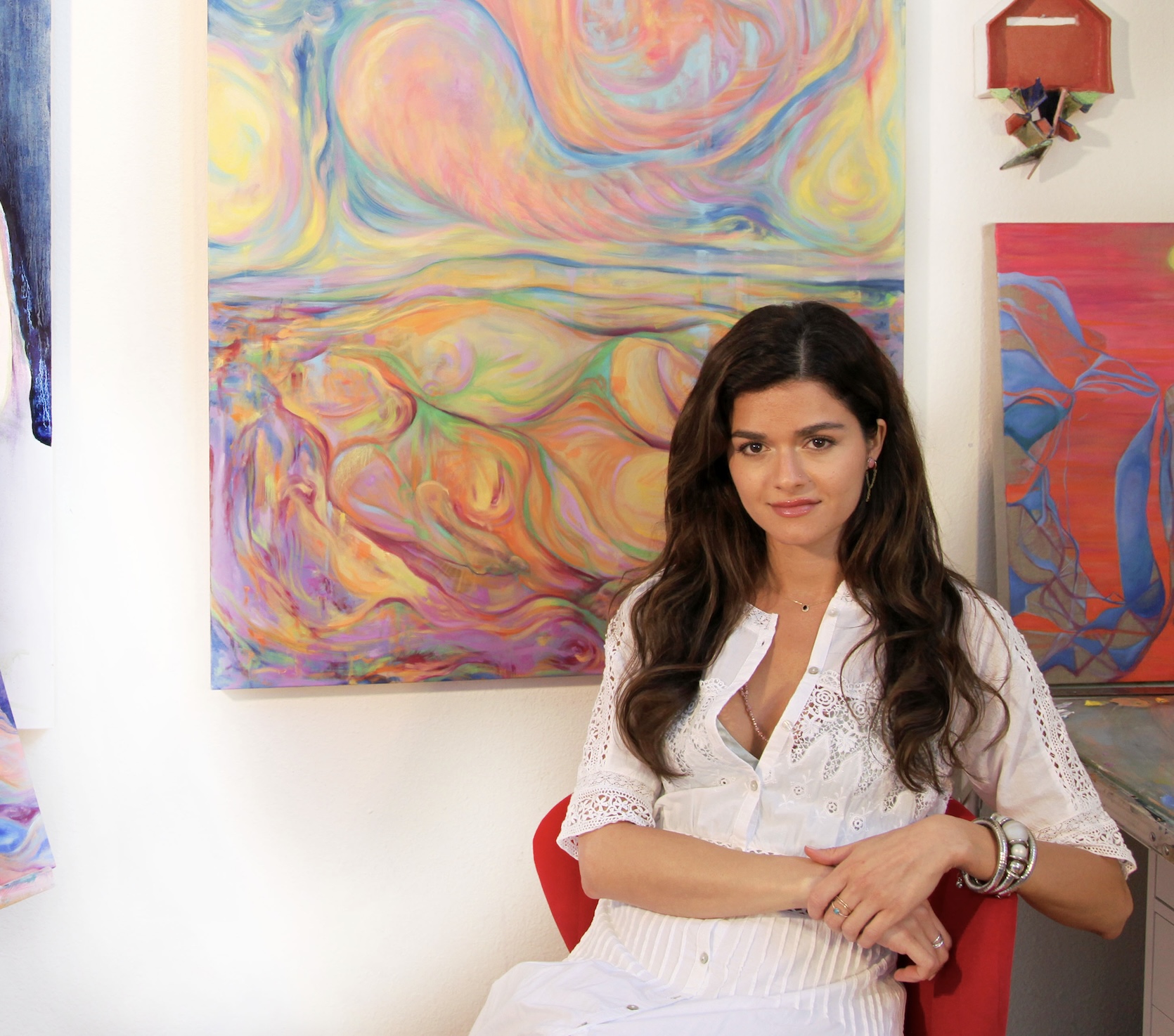

Ghazal is an artist and educator whose teaching practice bridges technical instruction, conceptual inquiry and material experimentation across drawing, painting and ceramics. Having taught at both University of California, Berkeley and Otis College of Art and Design, she approaches the classroom as a collaborative and supportive space where students are encouraged to explore, take risks and develop their own artistic language. Her pedagogy emphasizes art as both a personal and collective tool for reflection, change and critical engagement, while fostering curiosity through hands-on demonstrations, discussion, readings and exposure to diverse forms of media and art history. Ghazal believes deeply in experimentation, open dialogue and creating environments where students feel empowered to make mistakes, trust their instincts and grow through the creative process.
Ghazal offers custom ceramics, drawing, and painting classes by request for groups of 3 students or more. To inquire, email hi@louderla.com
Locations available
- Ghazal's studio in West LA
- Student homes in Los Feliz, Central LA & West LA
- Los Feliz Conservatory
Any questions? Email us.
For details on our pricing and booking, see our Pricing page.
How It Works
01
Book an intro lesson
Schedule a one-time intro lesson to meet an instructor, share your goals, and experience how lessons work.
02
Find your instructor
If your intro lesson feels like the right match, we’ll help you enroll. If not, we’ll set up another intro lesson to connect you with the right guide.
03
Enroll in weekly lessons
Once you’ve found your guide, start your weekly lessons—your dedicated time each week to create, learn, and grow. Enrollment renews monthly.
Meet the Instructor
01
What do you teach?
Life Drawing: Students will learn how to draw a figure/portrait based on observation. We will use a variety of dry media and also ink/watercolor for some experimental gesture drawings. Student will also be encouraged to find their own unique voice and style in figure drawing.
Abstract Painting: Students will explore making different marks using brushes and other experimental tools. They will learn how to layer using different textures and details, and how to make a successful abstract painting.
Painting: Various mediums of painting such as Watercolor painting, Oil painting, and Acrylic painting.
Experimental Drawing: We will rethink and reimagine drawing as a medium. We will use experimental material to create different line-based works.
Tile Making: exploring Tile making as an artistic medium to tell a story. We will work with clay to make unique tiles and explore creating different images on top using underglaze, 3D forms, and other techniques.
02
What makes you want to share your skills and knowledge?
My teaching practice informs my art practice and vice versa. I learn a lot from my students, and teaching has always been incredibly rewarding and fulfilling for me. It brings me joy to witness how my students will take this knowledge and skill and apply their own unique methods and ways to it, and make it their own.
03
What is your experience in your craft and how are you evolving?
I started my path in visual arts back in Iran by primarily studying the techniques in oil painting, drawing, and watercolor. I moved to the US for my undergrad to be able to freely practice art and learn. To this day, Art has always been my way of understanding and making sense of the world. My purpose is to effect change through art making and art-teaching.
04
What’s your style of teaching?
The question of how art can be thought is tied up to how we can think and speak about art. As an artist, a maker and a teacher, I think of art as a powerful tool for change. I’m interested in what art can do beyond gallery wall/space and more than being a commodity, I'm interested in the ideology that grounds art politically and socially while repurposing aesthetic and formal creation that pursues art as complex intersections between individual and collective interests.
I think of art as a product of a self-generated process, which involves endless research and exploration in different materials/mediums and art history. In view of this position, I believe my pedagogical responsibility is to offer conceptual, critical and theoretical tools and guide students from the emergence of an idea (or sometimes even help developing one) through its planning and process into whatever form of art it takes. As much as experimenting and exploring shapes a major part of the learning experience, I encourage my students to allow themselves to make mistakes, and not to be afraid of exploring and messing with different materials, as school is the time for them to challenge themselves and work outside of their comfort zone. By providing lectures, hands on demonstrations, one on one engagement with my students, exposing them to various readings, poetries, documentaries, and etc, I encourage students to let all of these different forms of creating, inform their work.
Teaching is a vital part of my artistic practice and in fact both these aspects of my career inform each other. I learn so much from my students by working in collaboration with them. As I come from a long line of mentors who have been equally devoted to teaching and to their practice. A classroom is a creative safe zone. Being aware of the fact that we all come from different histories and are physically and physically different, it is my necessary pedagogical practice that all lives must equally matter. I see critique as a practice for this ideology and also a time to interpret artwork openly, and defer judgment. It is my responsibility to pose questions and guide the responses from students to shape a coherent argument, to make sure that each person is contributing to the discussion.
05
What keeps you creatively inspired?
Writing, reading, looking at other artists work, spending time with community, meditating, spending time in nature, historical architectural places, going to gallery and museum shows, and life itself with all its gifts and lessons.